 Truly Italian Roots
How to describe an espresso with more words than just…“nice”

Someone makes and handles you an espresso. You sip it, and then they ask “How was it?”. If you’ve liked it, the word “nice” comes immediately out of your mouth while, if it was a bad one, you reply “bitter”.
You might want to say more, and to describe it better but you cannot find the right words. To define the taste of coffee with precision is an ability that could be learned and that changes the relation with the drink in a surprising way.
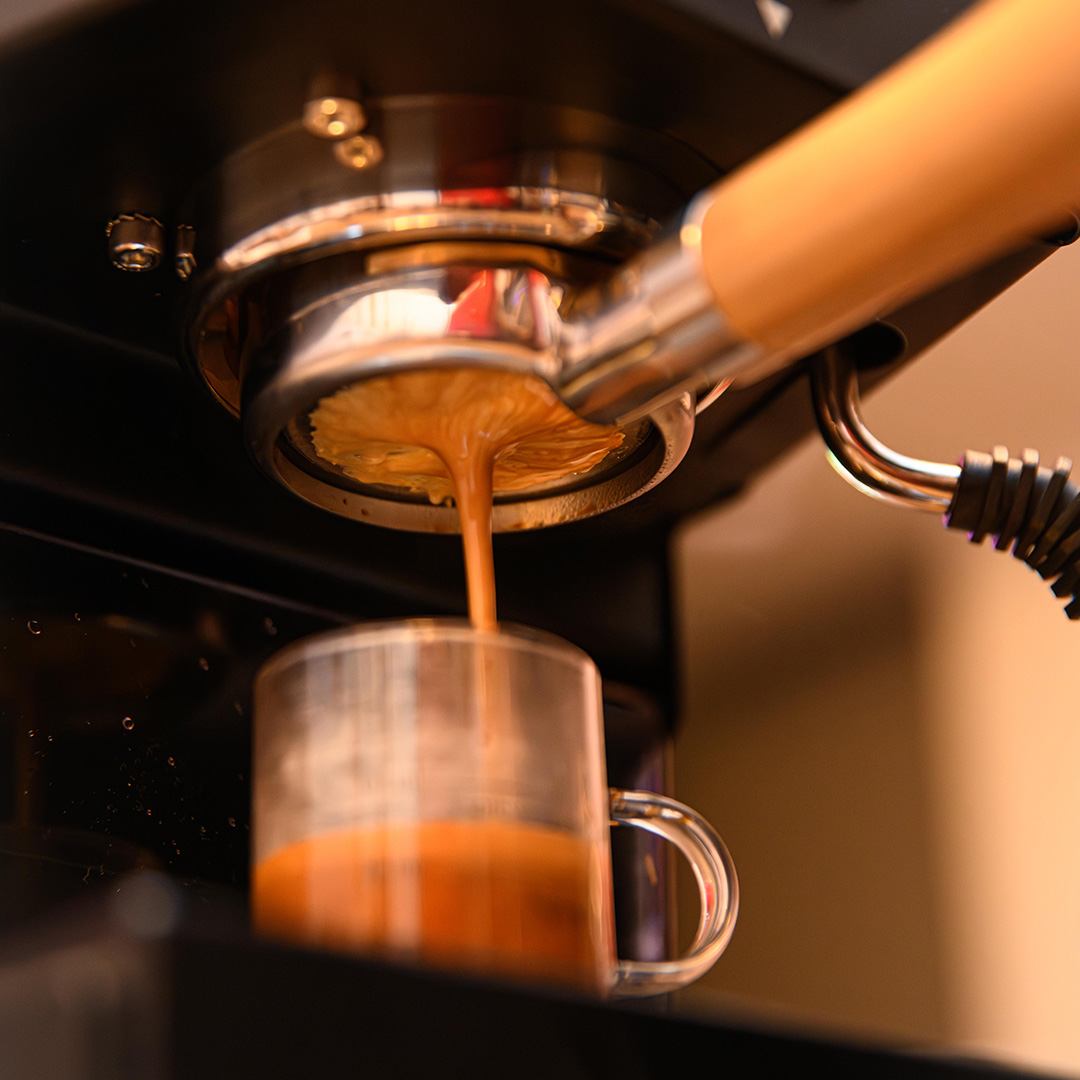
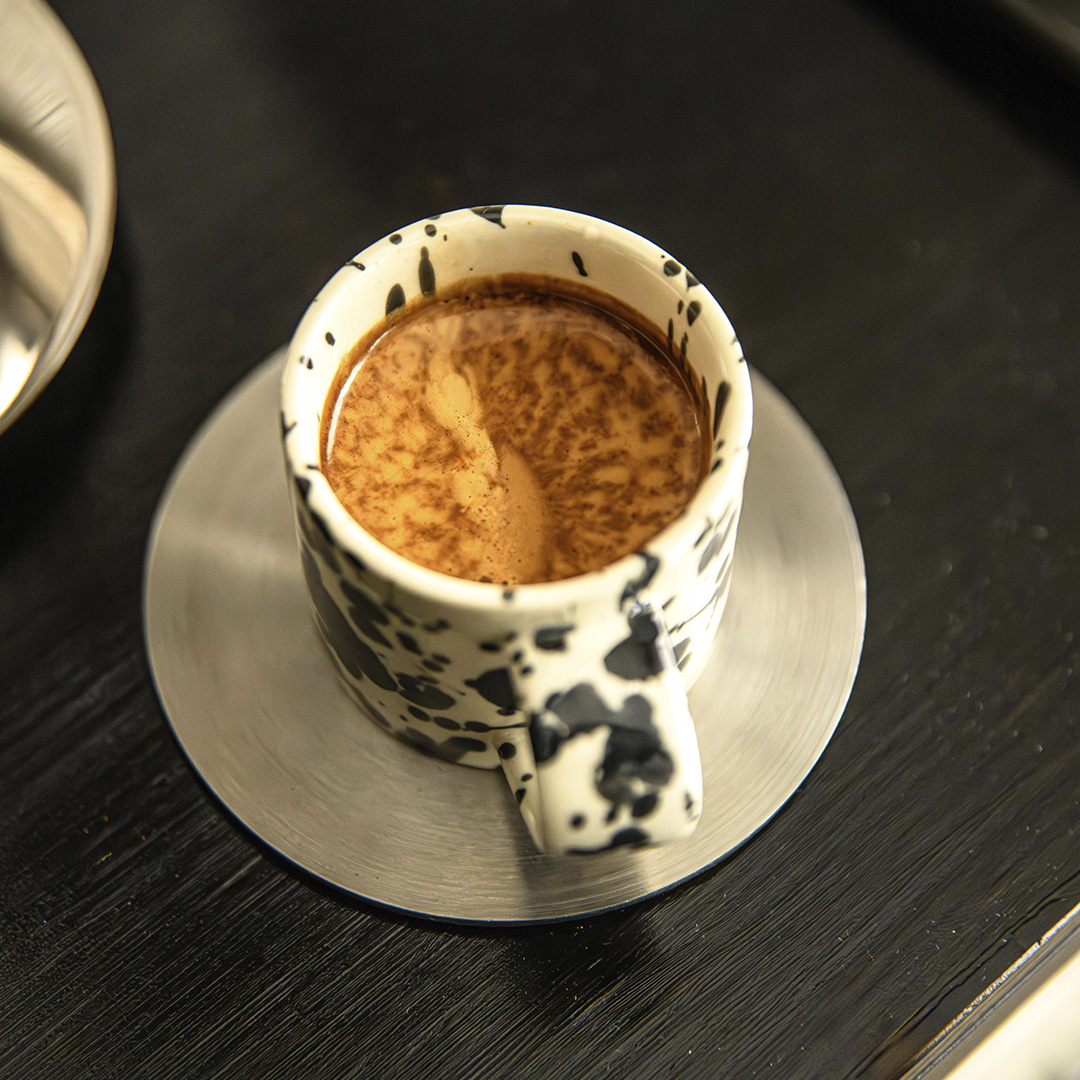
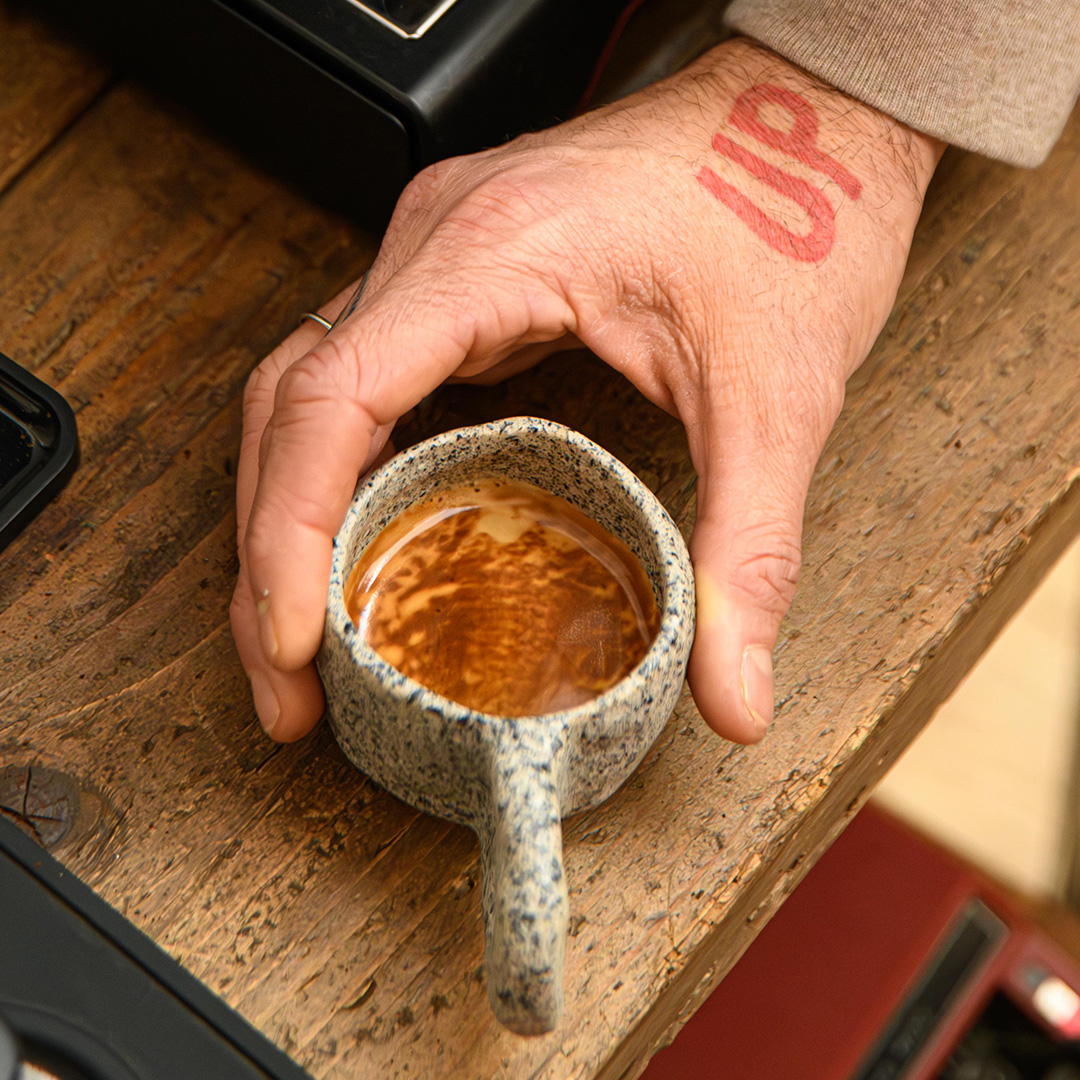
The taste of coffee
The taste of coffee should be unpacked in different sub-flavors and components in order to describe the profile in the best way. Let’s explore them together.
Acid
In high-quality coffees, such as specialty coffees, acidity is not a flaw. It is a positive taste vibration. During the roasting, the chlorogenic acid deteriorates and transforms into lactones (that conveys a sour flavor) while the noble organic acids (citric, malic, tartaric acids) develop, giving a vibrant flavor. On the palate, it can recall citrus, berries, ripe cherry. It is different from the astringency (a dry feeling in the mouth) and from bitterness (result of a bad extraction). The acidity is felt on the sides of the tongue and it is perceived immediately when tasting a coffee.
Bitter
It is one of the fundamental flavor notes of a coffee. It can be a clean and positive taste, such as dark chocolate, or raw and unpleasant if it feels burnt or ashy. The question to ask isn’t “Is it a bitter coffee?” – because coffee is bitter by definition! – but it’s “Which kind of bitterness is it? Is it a good flavor or an unpleasant one? Does it last?”
Sweet
Sometimes underestimated, sweetness balances the acidity and softens the bitterness. It can resemble caramel, ripe fruit, and milk chocolate. It is usually found in the middle of the tasting process, and can persist in the aftertaste too. A well-extracted espresso should have a recognizable sweet component, even if subtle.
Beyond the taste: body and aftertaste
When someone talks about the body of coffee, they refer to the concrete sensation of coffee in the mouth, its density and weight. An espresso with a full and rich body is creamy, while if it seems delicate, it is usually watery and lighter. It isn’t necessarily a flaw, but it defines a dimension to pay attention to.
The aftertaste, on the other hand, is what stays in the mouth after drinking coffee. It can last a few seconds or even minutes. It can be a good expression of the organoleptic profile of coffee (toasted cocoa, fruits, spices) or it can reveal the defects of a bad extraction, roasting or even a bad composition (and we usually feel the need to drink water to erase this flavor from our mouth).
The beginner’s dictionary
In order to describe with more precision the taste of coffee, you could start with a few selected words that are linked to familiar sensations. We have collected a series of useful terms that could become your first dictionary.
Acid: citric, winey, lively, tangy, bright, smooth, mellow
Sweet: chocolatey, fruity, floral, nutty
Bitter: dark-chocolatey, woodsy, soft, burnt, metallic, overpowering
Body can be: full, rich, velvety, heavy, creamy, buttery, light, watery, soft
Aftertaste can be: persistent, clean, dry, nutty, spicey
Time to try
Next time you make an espresso or you are offered one, before sipping it all at once, take a moment to dive into the flavor, and follow this journey:
1) First of all, break the crema layer with a spoon and stir slightly to release the aromas. Which scent notes can you distinguish? Do they remind you of anything?
2) Take a first sip and let it stay on the tongue. What do you feel and when? Is it sweet, bitter, acidic?
3) Wait a few seconds before swallowing, and try to understand where the taste notes reach your tastebuds and how. Did the flavor change, compared to the first notes and the first sip? Is the body rich and full, or does it dissolve easily?
4) After swallowing, pay attention to the aftertaste. Is it pleasant and satisfying or do you feel the need to drink water to erase it?
Coffee tasting is not about finding the perfect right answer. These first guidelines are just the beginning of your coffee tasting journey. From now on, take your time to notice the strong and the subtle notes, the scents and the flavors, and try to build your own vocabulary for everyday new sensory experiences.