 Truly Italian Roots
The natural sweetness of coffee: how it is born and how to extract it

When we talk about a sweet coffee, our thought immediately goes to sugar added to a cup. But there is a different kind of sweetness, a more subtle and interesting one, that is found inside the bean and it’s built through the plant, the soil, the processes, the roasting. Understanding how this sweetness is born is the first step to recognize and preserve it.
It all starts with the bean
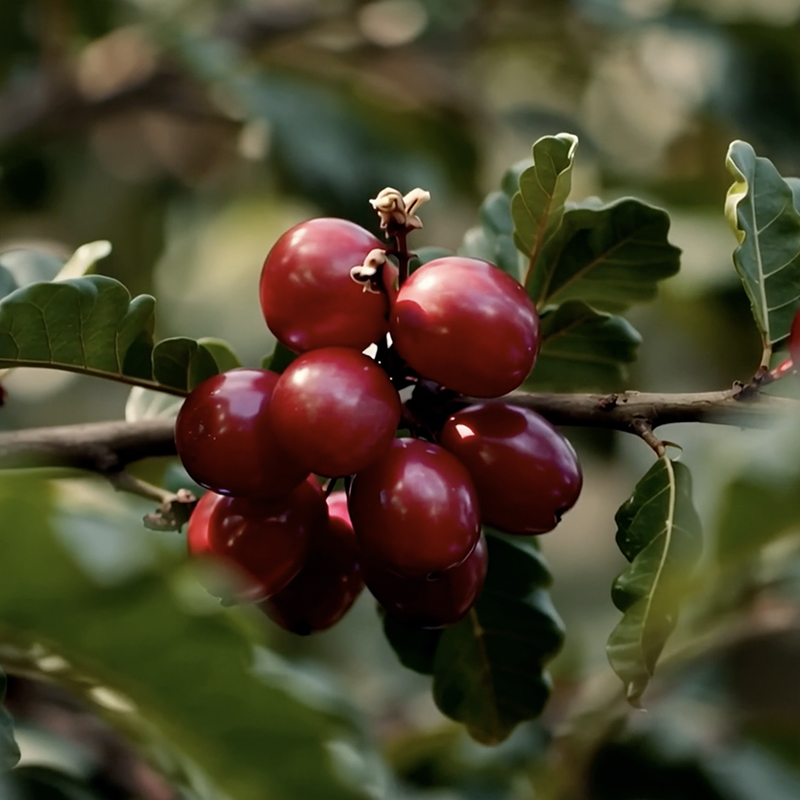
Coffee sweetness has very specific botanical roots. As the coffee cherry ripens, the fruit in which the bean develops accumulates simple sugars, such as sucrose, which act as an energy reserve for the seed. If the cherry ripens slowly, the sugar content will be higher. This is why growing altitude influences the sweetness we perceive in the cup: at higher elevations, temperatures are lower, ripening takes longer, and the bean develops a higher concentration of sugars.
Botanical variety matters just as much. Some varieties, such as Geisha, Bourbon and Pacamara, are genetically predisposed to produce beans with more complex aromatic profiles and a more pronounced sweetness, regardless of other variables. It is no coincidence that these varieties are particularly sought after and highly valued in the specialty coffee world.
Post-harvest processing
After harvesting, the coffee cherry needs to be processed to separate the bean from the fruit. The method chosen by the producer has a direct impact on the final sweetness, perhaps more than any other agricultural variable.
In natural processing, the oldest method, the cherries are dried whole, with the fruit still surrounding the bean. During drying, the sugars in the fruit slowly ferment, influencing the bean and resulting in an intense sweetness, sometimes almost wine-like, with notes of ripe fruit and chocolate. This method typically produces the sweetest, roundest profiles and is often associated with naturally processed Ethiopian coffees.
Washed processing, by contrast, removes the fruit mechanically before drying, resulting in a cleaner, brighter profile, where sweetness is more delicate and acidity more defined.
Somewhere between the two are honey processes, in which the fruit is only partially removed, leaving different amounts of mucilage attached to the bean during drying. Generally, the more mucilage that remains, the more pronounced the sweetness tends to be in the final cup.

The roasting
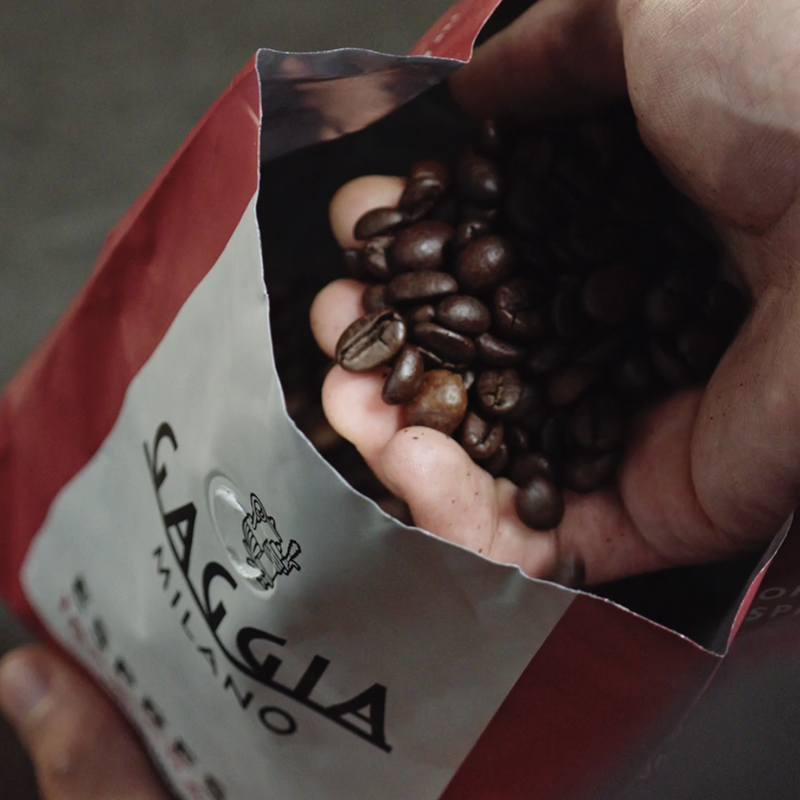
The sugars found in green coffee beans do not survive the heat of roasting unchanged. Through caramelization and the Maillard reaction, they are transformed into hundreds of aromatic compounds that contribute to the perception of sweetness in the cup. It is a sweetness created through roasting rather than simply left behind, and it depends on both the temperature and duration of the process.
A light roast preserves more of the coffee’s original character and tends to produce fruity and floral expressions of sweetness. A medium roast develops notes of caramel, milk chocolate and nuts, creating a warmer, rounder kind of sweetness. A dark roast pushes the process further, to the point where sugars are almost completely degraded, allowing bitterness to become more prominent and reducing sweetness to a subtle background note.
The extraction at home
Knowing that sweetness is naturally present in coffee is not enough: you also need to create the right conditions for it to make its way into the cup. Extraction is the stage where everything can come together, or where much of it can be lost.
Temperature
If the brewing temperature is too low, the coffee will be under-extracted: sweetness remains locked in the grounds, while sharp, sour acidity dominates the cup. If the temperature is too high, extraction can go beyond the optimal point, emphasizing bitterness and masking the compounds that contribute to sweetness. The ideal temperature range varies depending on the roast profile, but in general, sweetness is well expressed between 92 and 94°C for a medium roast, with slightly higher temperatures for lighter roasts.
Extraction time
If the extraction time is too short and the espresso runs quickly, the taste could be less sweet and more acidic. This, because many of the compounds associated with sweetness are extracted later than the acids, which tend to come through first. Extending the extraction slightly, for example by adjusting the grind finer, can help reach the stage of extraction where sweetness becomes more prominent.
Pre-infusion
This stage helps evenly saturate the coffee puck before the actual extraction begins, reducing the risk of channeling and helping water flow through the coffee more uniformly. An uneven extraction produces an unbalanced cup, with some areas under-extracted and others over-extracted, causing sweetness to get lost among competing flavors.
Cleaning
Keeping the machine and portafilter clean may sound obvious, but it is essential. An unpleasant taste in the cup can sometimes be caused simply by a dirty machine. Residues of old, oxidized coffee can leave bitter or metallic flavors that mask any sweetness in the extraction. A clean machine is the minimum requirement for all the sensory nuances developed during cultivation, roasting and grinding to be properly expressed in the cup.