 Truly Italian Roots
Coffee roasting profiles: light or dark?
Before grinding, dosing and even before any brewing parameter, there is something that influences the in-cup result more than what you can think: it’s roasting.
It’s the process that transforms the green coffee bean in what we all know, developing aromas, losing mass, and changing the structure. To understand what happens during roasting, and how the different profiles are perceived in a cup is one of the most important steps for all the home baristas.
What happens during roasting
The green coffee bean is dense, herbaceous, almost impossible to smell. With heat, a series of chemical reactions (among which there is the Maillard reaction, the same that happens when grilling meat or caramelizing sugar) transform the aromatic forerunners in hundreds of different molecules. The longer the process and the higher the temperature, the more molecules will develop, change and, at the end, decay.
The roaster decides when to stop, and this decision is named “roasting profile” that determines the real personality of coffee.
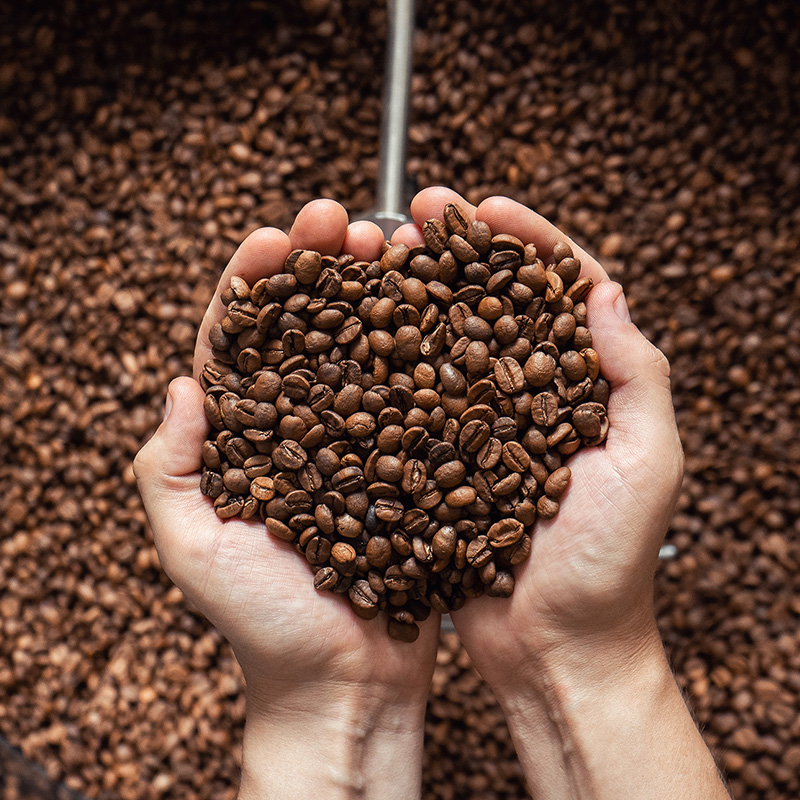
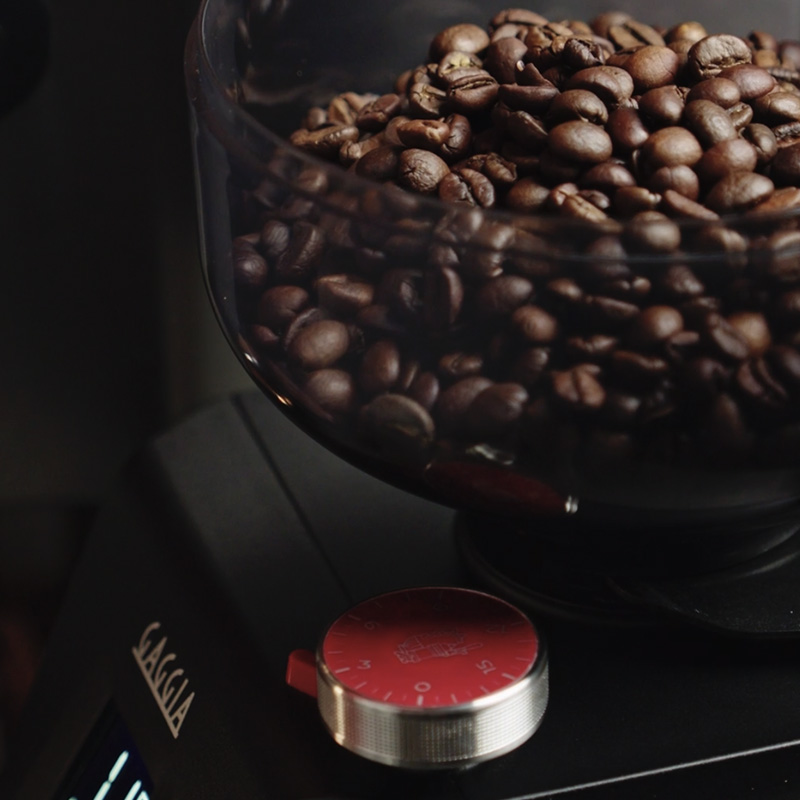
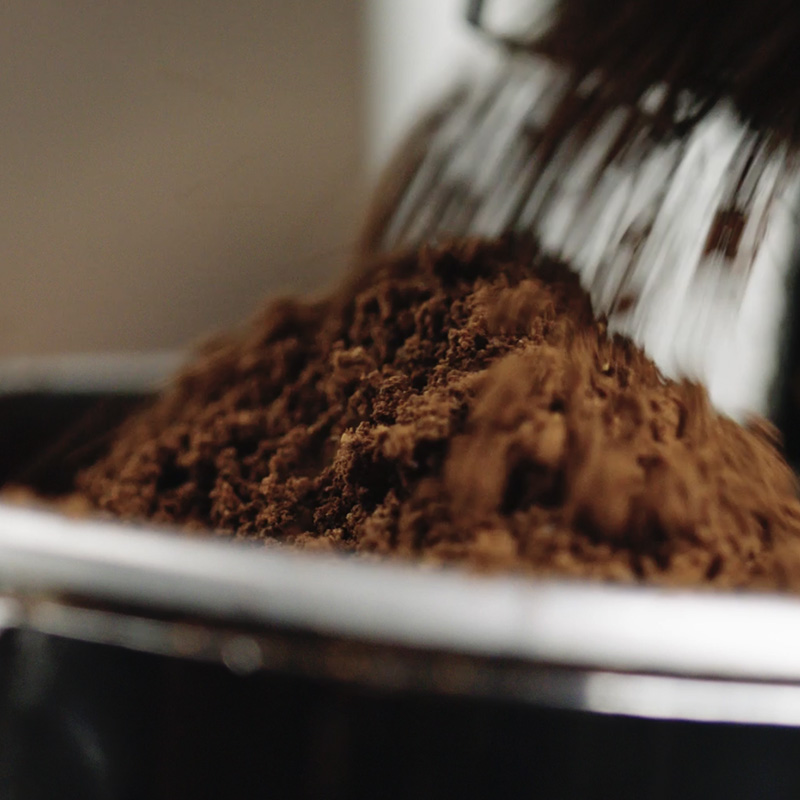
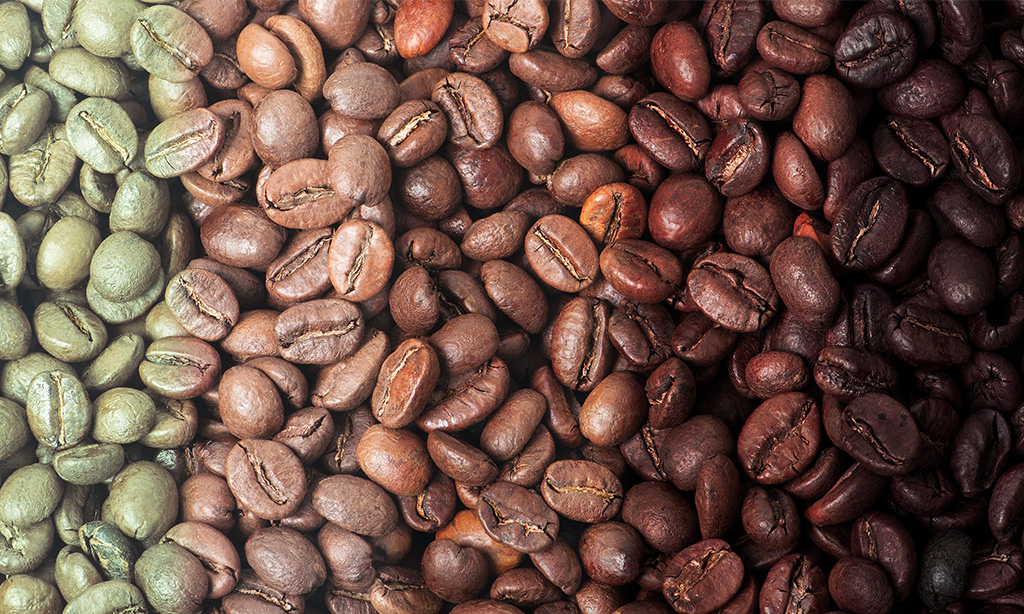
Light roast: coffee as a fruit.
A light roasting preserves the original characteristics of the bean. Its terroir, the botanical variety, the after-harvest process can be perceived. This is why this kind of roasting is preferred by specialty coffee roasters, especially when working with African coffees such as Ethiopian or Kenyan, where the aromatic complexity of the green bean is already extraordinary and should be protected, instead of being overwritten through heat.
An espresso extracted from light-roasted beans has a lively and present acidity, because the roasting wasn’t long enough to develop sugary notes, and, instead, mainly freed the natural acids of coffee.
So, this espresso will have an aftertaste of tropical fruit, citrus, flowers and tea, with a delicate sweet note, an almost absent bitter taste, and a lighter body.
For a proper extraction with an espresso machine, it is important to pay attention to a few things. The bean is dense and hard, so the grinding should be adapted accordingly. The temperature of extraction should be increased in order to release the substances in the bean. Then, the pre-infusion plays an important role too, as this coffee is more resistant against water.
Medium roast: the balance.
Medium roast is where the personality of the bean meets the process. The original notes are still recognizable, but roasting added something to it: caramel, milk chocolate, nuts, a slightly roasted note at the end. The acidity is present but is softer compared to a light roast, and the sweetness is richer, while the bitter note can be tasted, but stays behind.
It is the most versatile profile for an espresso, that is why the majority of blends are medium-roast: it’s easier to understand, and to extract, as it adapts to a wider range of parameters. If you are building your workflow, it is the right point to start from: complex enough to be interesting, but stable enough to be easy to handle.
Dark roast: roasting in the focus.
With a dark roast, the process overpowers the bean. The original notes tend to disappear, and they are substituted by the aromas that come from the roasting itself: dark chocolate, tobacco, spices, wood, a strong bitter flavor. The acidity is lower, the body is full, sometimes heavy.
This is the most common blend used for the Italian espresso, and this is why, for Italians, the espresso is usually rich, strong and bold, with a thick layer of crema on top. But, considering that the nuances of the bean are blurred, the specialty coffee experts aren’t fans of this type of roasting. In any case, this represents a precise and distinctive choice of working with the bean, in which the machine and the water work with already transformed beans.
So, a dark roasting requires a lower temperature of extraction compared to a lighter one, to avoid the enhancement of bitterness. The grinding could be coarser, as the bean is more fragile and there is a lower resistance to water
How to adapt your home espresso machine to the roasting profile
Every time you change the coffee you are working with, please take a moment to read the roasting chart or, at least, to appreciate the quality and color of the beans so you could get a first idea. Here below, what to do with different types of roasting:
Light roast: we suggest to increase the temperature, and to choose a longer preinfusion. The brewing will be slower, with a more resistant flow at the beginning. The taste is more acidic.
Medium roast: we suggest to work with standard parameters and to shape and define them progressively, according to your taste
Dark roast: we suggest to lower the temperature of extraction, to adjust the grinding, and to avoid an over-extraction. When tasting it, the bitter notes are part of the profile and not necessarily a flaw
In the end, roasting is crucial. Understanding it and adapting to it are fundamental steps for the skilled barista at home.